
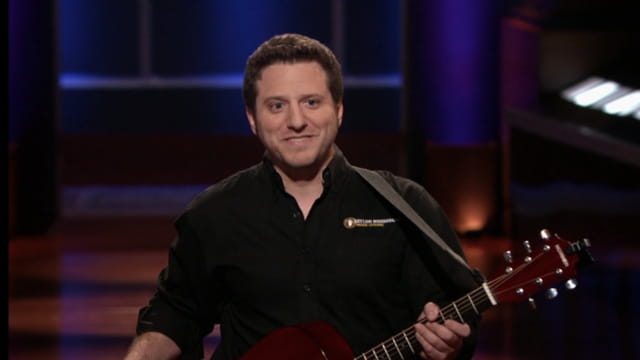
The lesson-booking platform featured on Shark Tank in 2014, closed on July 14, 2026, after more than 20 years in business. The sudden shutdown left customers with unused prepaid lessons and some instructors reporting outstanding payments.
Despite leaving Shark Tank without a deal, the company built a nationwide instructor network and reportedly generated $2 million in annual revenue by 2021. Over its lifetime, Taylor Robinson Music reported serving more than 323,000 students and delivering 720,000 lessons.
Why Did Taylor Robinson Music Close?
Taylor Robinson Music has not publicly explained the reason for its closure. Its website acknowledged the short notice, confirming that all lessons booked through the platform had ended and suggesting students arrange future sessions directly with their instructors.
However, there were signs of trouble in the months leading up to the shutdown. In an August 2026 Reddit discussion, an instructor who had worked with the platform since 2019 reported a noticeable decline in student bookings and said they had raised concerns with management.
Other reports described instructors receiving little warning and facing outstanding payments. While these accounts suggest the business was experiencing difficulties, they don’t establish why it closed.
Interestingly, customers were still leaving positive reviews shortly before the shutdown. On July 2, just 12 days before operations ended, a customer praised their instructor in a Better Business Bureau review.
The company also retained a relatively strong customer review score of 4.6 out of 5 on the platform, despite complaints about its closure.
What Happened to Customers and Teachers?
The closure left some customers seeking refunds for lessons they had already purchased. On July 21, 2026, a customer posted a Better Business Bureau review, claiming they had not received a $748.80 refund. Another customer reported losing access to $1,800 worth of prepaid piano lessons in August.
A separate complaint filed on July 16 alleged that 12 weeks of guitar lessons had been paid for in 2025, but no instruction had been provided more than eight months later. The complaint was listed as unanswered.
The Problem With Prepaid Lessons
Taylor Robinson Music’s refund policies had caused disagreements before the closure.
In September 2024, a customer complained to the Better Business Bureau after their instructor became unavailable. The business offered alternative teachers rather than an immediate refund, explaining that discounted lesson packages carried restrictions.
In its October response, Taylor Robinson Music eventually offered to refund the unused portion of the package as an exception.
The company’s published cancellation policy stated that purchased lesson credits never expired and could be transferred to another instructor or student. However, subscriptions were generally non-refundable, while single lesson purchases had separate refund provisions.
Following the closure, customers could no longer redeem their credits, leaving some seeking refunds through their banks or payment providers. According to Shark Tank Companies, the business informed customers that it couldn’t process refunds directly and recommended disputing payments for undelivered services.
What Happened to the Instructors?
Taylor Robinson Music operated as a marketplace rather than a conventional music school. It handled marketing, bookings and payments, while independent instructors delivered lessons.
Teachers were generally paid between $20 and $35 per hour, according to the company’s previously published instructor information.
Its contractor agreement also prohibited teachers from accepting direct payments from students introduced through the platform, including former students. The company’s final announcement encouraged students to continue working with their instructors independently, but didn’t explain how those previous contractual restrictions would apply.
For teachers with established students, continuing privately could provide some income. However, it wouldn’t necessarily resolve unpaid earnings or customers’ unused lesson credits.
How Successful Was Taylor Robinson Music?
Founded in 2005, Taylor Robinson Music connected students with local instructors offering guitar, piano, singing, drums and other music lessons. The platform handled customer acquisition, scheduling and payments, allowing independent musicians to focus on teaching.
Appearing on Shark Tank gave the business an immediate boost. According to Shark Tank Blog, its website received 200,000 hits following the broadcast, including 20,000 simultaneous visitors. More than 400 instructors applied to join.
Taylor Robinson subsequently secured a partnership with instrument manufacturer Hohner, which agreed to distribute lesson coupons with 50,000 instruments. The company also concentrated its marketing on the 50 largest US markets, reportedly reducing customer acquisition costs by 80%.
By 2021, Taylor Robinson Music had more than 8,000 active instructors, over 40,000 students and annual revenue of $2 million.
Its final website provided additional lifetime figures, including more than 22,700 instructors involved and $10.8 million distributed to music teachers. These were company-reported figures rather than independently audited results.
Was the Business Model Sustainable?
The business depended on attracting students, matching them with suitable instructors and retaining a portion of lesson payments.
During its Shark Tank appearance, founder Taylor Robinson disclosed $450,000 in annual revenue but just $40,000 in profit. Acquiring a new customer cost roughly $33, highlighting the importance of keeping students enrolled.
Although the marketing efficiency improved, little information is available about its profitability in later years. Its prepaid lesson model also meant customers could purchase sessions well before receiving instruction, while teachers were compensated once lessons were completed.
Taylor Robinson Music collected payments upfront and paid instructors once lessons were completed. When the company closed, some customers were left with unused credits and instructors reported outstanding earnings. Without recent financial records, it’s unclear how much these liabilities contributed to the shutdown.
What Happened on Shark Tank?
Taylor Robinson appeared on Shark Tank Season 5 in April 2014, seeking $100,000 for 10% equity in his music lesson booking platform.
Despite generating $450,000 in annual revenue, the company made just $40,000 in profit. The Sharks raised concerns about its profitability and customer acquisition costs, and Robinson left without a deal.
The appearance still provided valuable publicity, helping Taylor Robinson Music attract new students and instructors. They continued operating for another 12 years before closing in July 2026.
