
Video games are no longer limited to entertainment consoles in living rooms. They have evolved into powerful digital ecosystems that influence communication, education, business, and social interaction. With the rise of online multiplayer platforms, esports tournaments, and streaming services, gaming has become deeply embedded in everyday digital experiences. Millions of people now interact with games daily, whether through mobile apps, competitive esports, or social gaming networks. This transformation highlights how video games have shifted from a hobby to a core component of modern digital culture.
Gaming as a Social Platform

One of the biggest reasons video games are becoming part of daily life is their role as social platforms. Online multiplayer games connect players across continents in real time, allowing them to collaborate, compete, and communicate. Voice chats, streaming platforms, and integrated messaging systems have turned games into digital meeting spaces.
For many users, logging into a game is similar to opening a social network. Players join guilds, teams, and online communities where they build friendships and long-term relationships. Competitive scenes have expanded dramatically, and many fans follow professional tournaments and global leagues as closely as traditional sports.
The rise of competitive titles such as Counter-Strike has strengthened this trend, and dedicated hubs like CS2 Esports provide fans with tournament updates, team analysis, match schedules, and player statistics, reinforcing how esports culture has become woven into everyday digital consumption habits.
Gaming is no longer just about gameplay mechanics; it is about participation in a larger digital community that operates around the clock.
The Expansion of Esports and Competitive Gaming
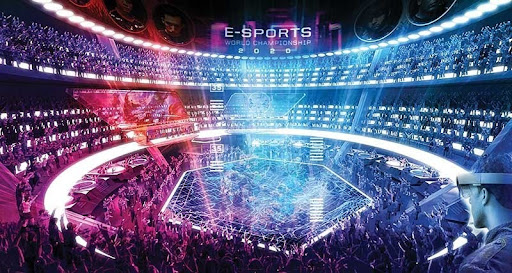
Esports has played a major role in integrating video games into mainstream digital life. Professional tournaments now fill arenas and attract millions of online viewers. Competitive gaming has created career opportunities for players, commentators, analysts, and content creators.
Streaming platforms such as Twitch and YouTube Gaming allow fans to watch live matches, follow their favorite teams, and engage in real-time discussions. This interactive format keeps audiences constantly connected to gaming content. As a result, esports news, rankings, and match predictions have become part of daily digital routines for many users.
Moreover, brands and sponsors have entered the esports industry, further legitimizing competitive gaming as a mainstream entertainment sector. Universities even offer esports scholarships, demonstrating how deeply gaming has integrated into broader social and educational systems.
Mobile Gaming and Accessibility
Another major factor driving the integration of video games into daily digital life is mobile accessibility. Smartphones have made gaming available to virtually anyone with an internet connection. Casual mobile games, strategy apps, and multiplayer battle arenas can be played during commutes, breaks, or at home.
Cloud gaming services are also expanding, reducing the need for expensive hardware. Players can stream high-quality titles directly to their devices, making gaming more inclusive than ever before. This convenience ensures that gaming is no longer limited by physical location or technical setup.
In addition, cross-platform functionality allows players on consoles, PCs, and mobile devices to interact seamlessly. This unified digital environment strengthens the sense that gaming is part of a connected online lifestyle rather than a separate activity.
Gaming as Digital Culture and Creative Expression
Video games now influence music, fashion, storytelling, and digital art. Virtual concerts, in-game events, and character customization systems enable players to express themselves creatively. Games often serve as platforms for user-generated content, including mods, custom maps, and community-driven competitions.
Educational institutions also incorporate game-based learning into curricula, using interactive simulations to teach problem-solving and collaboration. Meanwhile, businesses adopt gamification strategies to improve user engagement and customer loyalty.
The cultural reach of video games continues to expand through social media, memes, and online discussions. Gaming terminology, references, and highlights circulate widely across digital platforms. This constant exposure reinforces the role of video games as an integral part of modern communication.
As technology advances, augmented reality (AR) and virtual reality (VR) are expected to deepen immersion even further. These innovations will likely strengthen gaming’s presence in everyday digital environments.
Conclusion
Video games have evolved far beyond simple entertainment products. They now function as social networks, competitive sports arenas, creative platforms, and educational tools. The growth of esports, mobile gaming, and online communities has seamlessly integrated gaming into daily digital routines.
From professional tournaments and streaming platforms to casual mobile apps and global online communities, gaming shapes how people connect, communicate, and consume digital content. As technology continues to develop, the role of video games in everyday digital life will only expand.
Ultimately, video games are not just a pastime – they are a defining feature of modern digital culture, influencing how millions of people experience the connected world each day.
