
There’s a lot more happening around games than the games themselves. It’s not unusual for a popular title to have a bigger audience outside the game than inside it. Finish playing a game and the conversation often carries on somewhere else. Friends jump into Discord, creators go live to replay the best moments, and forums quickly fill with people comparing strategies or talking about the latest update. Some people even earn money for playing games through legitimate reward platforms that let users discover new titles or complete paid surveys in exchange for points and gift cards. BrandBee, for example, combines game offers with paid surveys, allowing users to build up points that can be redeemed for gift cards from popular brands. The app is free to use, so people can pick whichever activities suit their schedule. Nobody is getting rich from it, but that’s never really been the point.
The biggest difference isn’t really the technology. It’s how naturally gaming fits into everyday routines now. Someone might squeeze in a quick match while dinner is cooking, play a puzzle game on the train home, or catch up with friends online for half an hour before bed. Those little moments add up.
There’s a whole community beyond the screen
Every popular game seems to develop its own ecosystem. Stuck on a difficult boss? Most people don’t spend hours guessing anymore. They look it up. Within a few seconds you’ll usually find another player explaining what worked for them, whether that’s in a quick YouTube video, a Reddit discussion, or a guide posted by a fan who’s already figured it out.
People contribute in all sorts of ways. One player might spend the weekend testing an indie game before release, while another uploads a walkthrough after finally defeating a frustrating boss. Some design artwork inspired by their favorite games. Others write reviews or quietly become the person everyone recommends when a new title launches. Years ago, those activities felt like niche interests. Today, they’re simply another part of gaming culture.
Most players aren’t professionals
Scroll through Twitch or YouTube and it’s easy to think everyone is trying to become a streamer. The reality looks very different. Most people aren’t chasing sponsorship deals or practicing for esports tournaments. They’re unwinding after work, playing with friends on a Friday night, or fitting in twenty minutes before bed.
There’s a good reason the industry keeps focusing on casual players. They make up the overwhelming majority of the cloud gaming market, contributing a dominant 78.8% of the global cloud gaming market share in 2026. That’s a huge reminder that gaming isn’t driven by professionals alone. It’s driven by millions of ordinary people picking up a controller or opening an app whenever they have a little spare time.
You can see that influence in the games themselves. Daily rewards, shorter challenges, cloud saves, and quick sessions all make it easier to play without blocking out an entire evening.
Making the most of short breaks
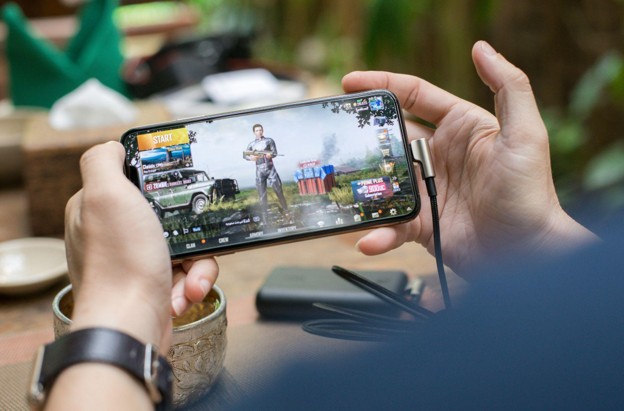
Open a mobile game on a weekday afternoon and there’s a good chance it isn’t because someone has hours to spare. More often, it’s filling the gap before an appointment, helping pass the time in a waiting room, or providing a short break between other tasks.
Reward platforms slot into those same routines. A player might answer a survey, try a new game, or complete a simple task before putting their phone away again. The rewards are usually modest, often taking the form of gift cards, but many people like the idea of getting a little something back for time they were already spending online.
That’s also why these apps appeal to such a wide audience. There isn’t much pressure to keep up with daily schedules or spend hours playing. If you’ve got ten spare minutes, that’s often enough.
Not every platform is the same
Reward apps aren’t all built the same way, so it’s worth looking into them before signing up. Reading reviews, checking how rewards are paid, and understanding the requirements usually gives a much clearer picture of what to expect.
The platforms that build the strongest reputations tend to be the least flashy. They explain how everything works, avoid making unrealistic promises, and let users decide whether the rewards are worth their time. If something sounds too good to be true, it’s usually worth taking a second look.
Where gaming goes next
New technology keeps changing the experience, whether that’s cloud gaming, virtual reality, or devices that let people jump into a game almost anywhere.
One thing hasn’t changed, though: people still play because it’s fun. The difference is everything that now exists around that hobby. Games have become places where people learn new skills, build communities, create content, and occasionally earn a few rewards along the way. Looking back, that’s a pretty remarkable shift from the days when finishing the final level was where the story ended.
