Ever since Larry Tesler invented the copy-and-paste function in 1974, it has made millions of lives easier. Copy Keyboard attempted to simplify that process even further with a small keyboard featuring just two keys: copy and paste.
Created by Scotty Trujillo, the product went viral on TikTok and later appeared on Shark Tank in 2023. Trujillo failed to secure a deal on the show, and Copy Keyboard has since shut down, ceasing operations in 2024. As a result, the business is now effectively worth $0, despite earlier estimates placing its value at around $200,000 during its peak.
Scotty Trujillo’s Story
Scotty Trujillo is from Fresno County, California and holds a mechanical engineering degree from CSU. After graduating, his career took a different path but his technical knowledge has kept him in good stead.
The California native dived into entrepreneurship as he founded Great Greek Shirts, a screen printing company that sold custom shirts to fraternities and sororities. The company was active from 2013 to 2016 and he went on to become an e-commerce manager at Electronic Recyclers International (ERI).
In his spare time, Trujillo enjoys browsing TikTok and making his own content from time to time. One of his most popular videos was when he searched for the rightful owner of an unexpected package that landed on his doorstep.
Creating Copy Keyboard
While working in e-commerce, Trujillo spent much of his day using the standard CTRL+C / CTRL+V keyboard shortcuts. He noticed how repetitive this task was for many office workers and began exploring ways to simplify it.
This led to the creation of Copy Keyboard, a plug-and-play macropad with two dedicated keys. Although the concept had existed as a meme online, Trujillo turned it into a physical product.
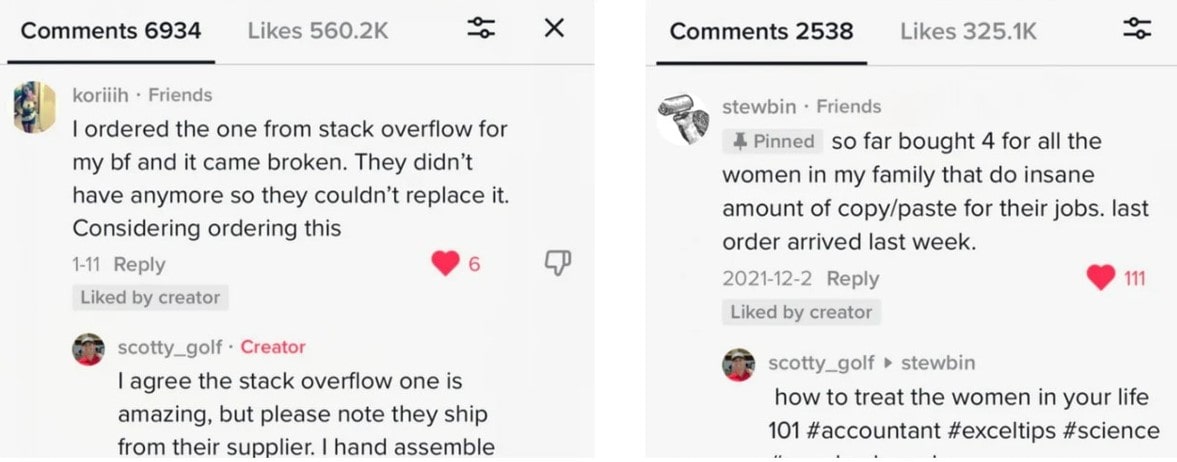
He introduced Copy Keyboard to the public in 2021 through TikTok, where the idea quickly went viral. The videos amassed over 30 million views, and Trujillo began shipping orders later that year.
Getting on Shark Tank
The first BATCH of products was successful, so Trujillo sold two more batches in the following months. He did not reveal his sales in his debut year, but from the looks of it, they must be reasonable.
He created different versions of the Copy Keyboard, and many of them sold out quickly. A Shark Tank producer came across the product on TikTok and invited him to apply for the show.
Despite breaking his arm shortly before filming, he pitched the business himself and impressed the Sharks with his hands-on approach and manufacturing process. However, low sales volume and limited scalability led the Sharks to pass on making an offer.
Copy Keyboard is No Longer in Business
Before the Tank, Copy Keyboard never had trouble getting attention but appearing on national television is a different level. Copy Keyboard went viral again on social media and sold $42,000 worth of product after airing. While demand surged, keeping up with inventory proved challenging.
Copy Keyboard was sold through CopyKeyboard.com and Amazon, with prices ranging from $19.99 to $24.99 depending on the model. Trujillo later experimented with LED versions and a three-key design, but stock issues persisted.
By 2024, the official website went offline, products became unavailable across all channels, and no further restocks were announced. Copy Keyboard has since shut down, ending the short-lived but highly viral venture.
At its core, Copy Keyboard struggled because it didn’t solve a problem most users felt strongly enough about to justify buying a dedicated device. Similar macro keyboards were widely available, reducing the product’s uniqueness. Without patent protection or a clear competitive moat, competitors could easily replicate the idea.
While Copy Keyboard was well-liked as a clever gadget, it ultimately fell into a common trap faced by novelty products: converting viral attention into sustained, repeatable demand proved difficult, making long-term growth unviable.